




Aeumporn Loypradit
Nuttapong Maneekorn
Abampai Ratnabhanu
Khempetch Rawang-ngan
Slinphat Rodjanaphinun
Published in:
Revista Internacional de Sociologia, 83(1), 1-19, ISSN: 00349712, 2025.
Resource type:
Journal article
Publisher:
Revista Internacional de Sociologia
Abstract:
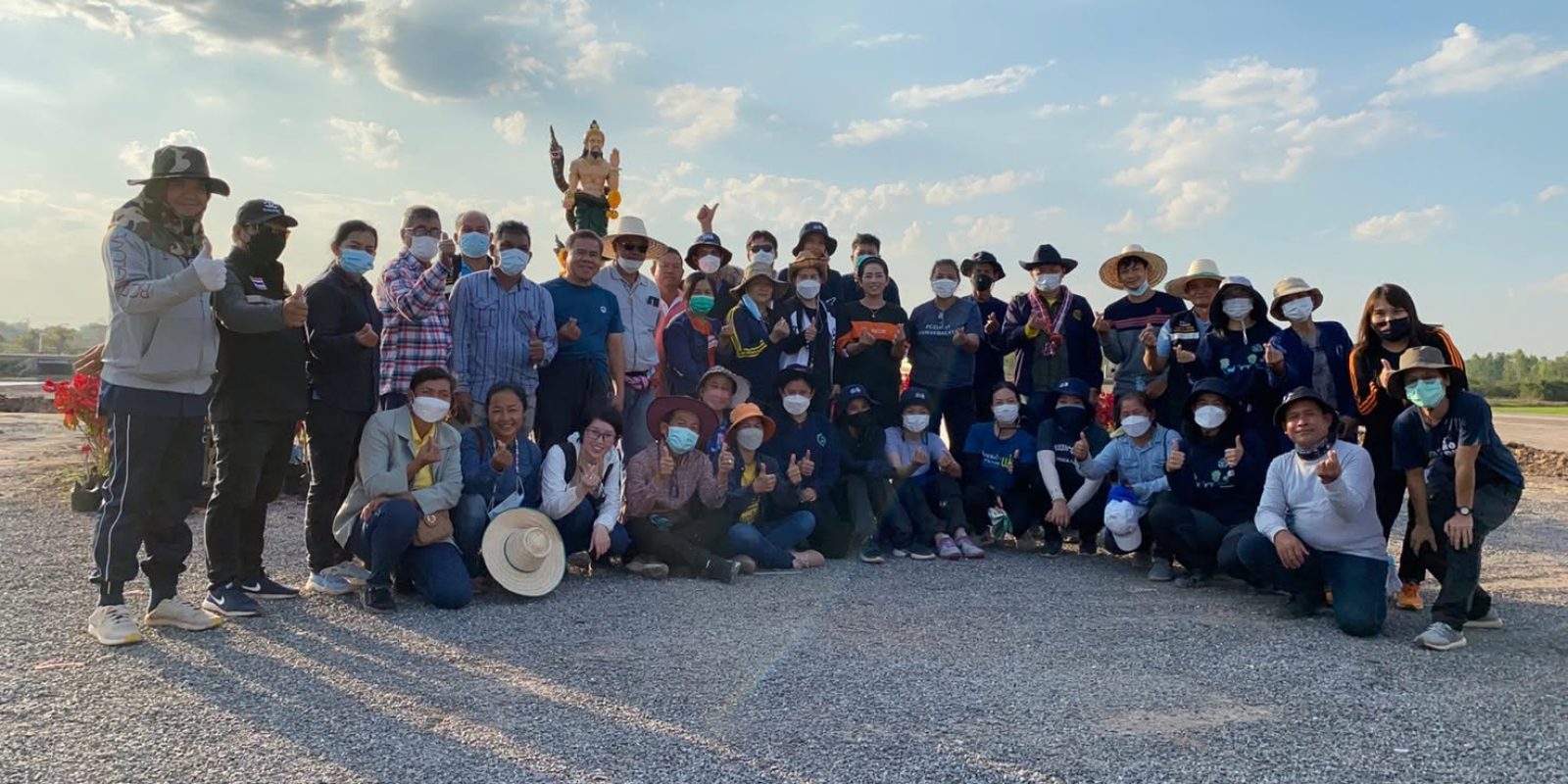
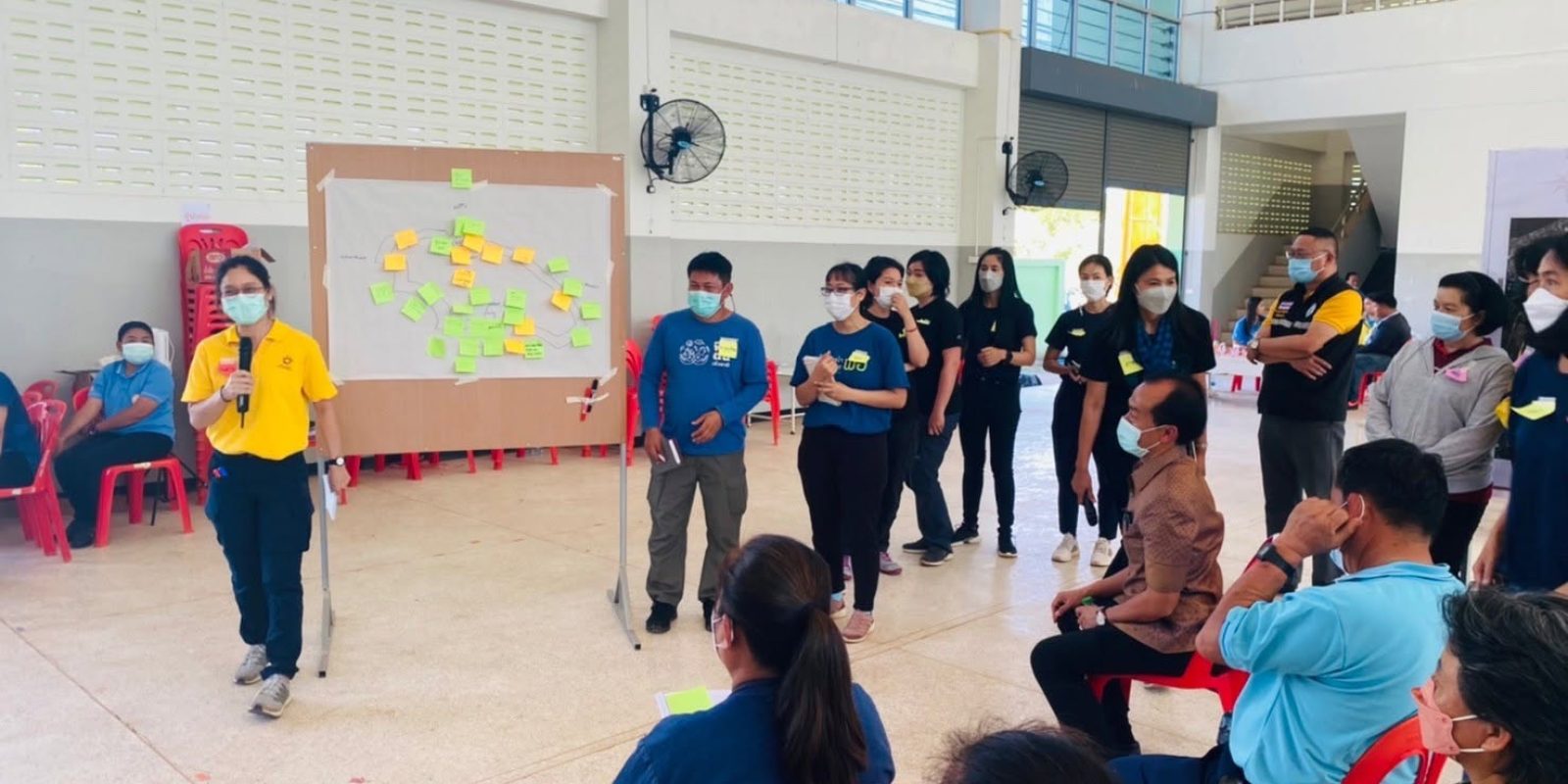
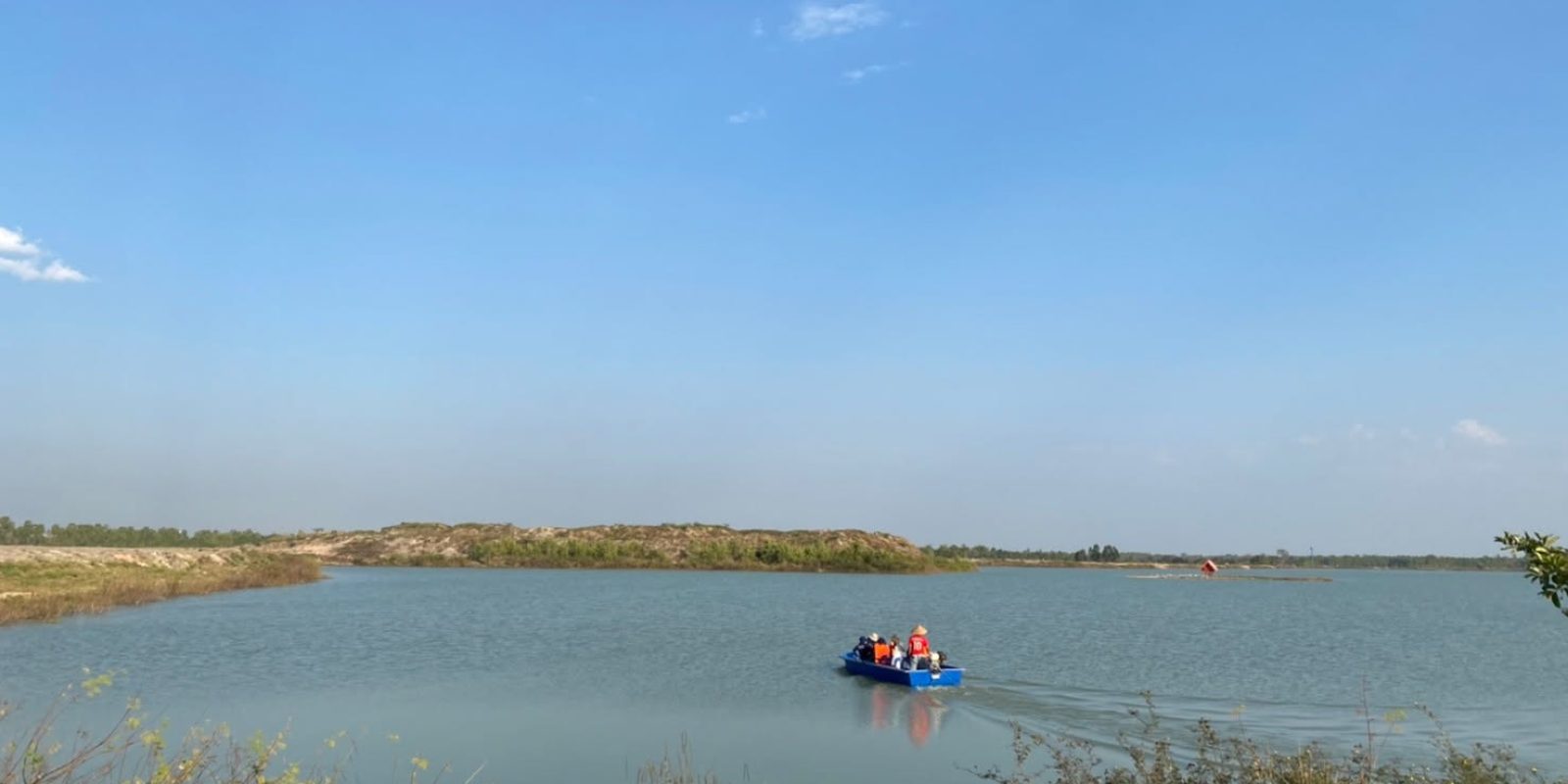
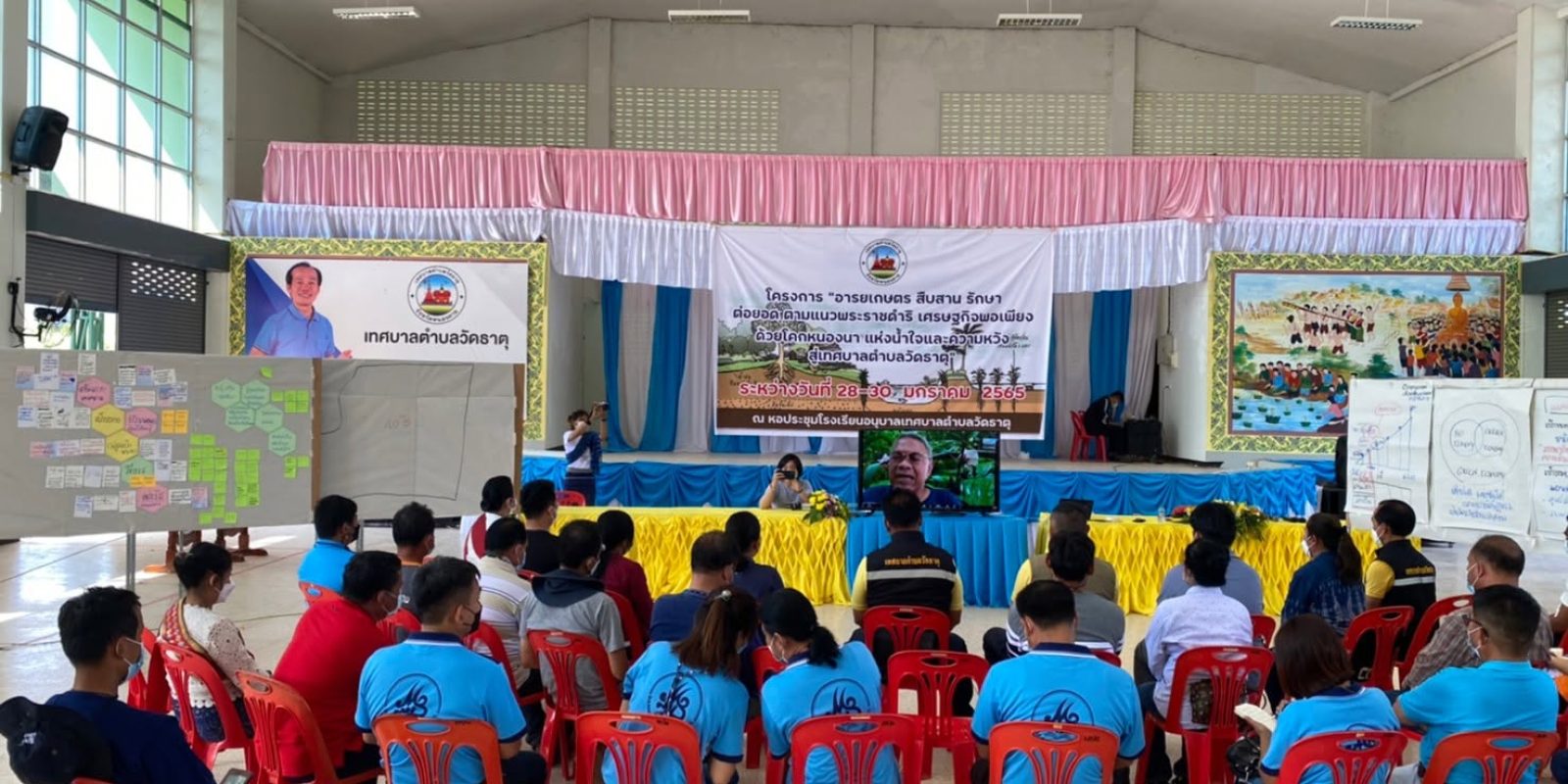
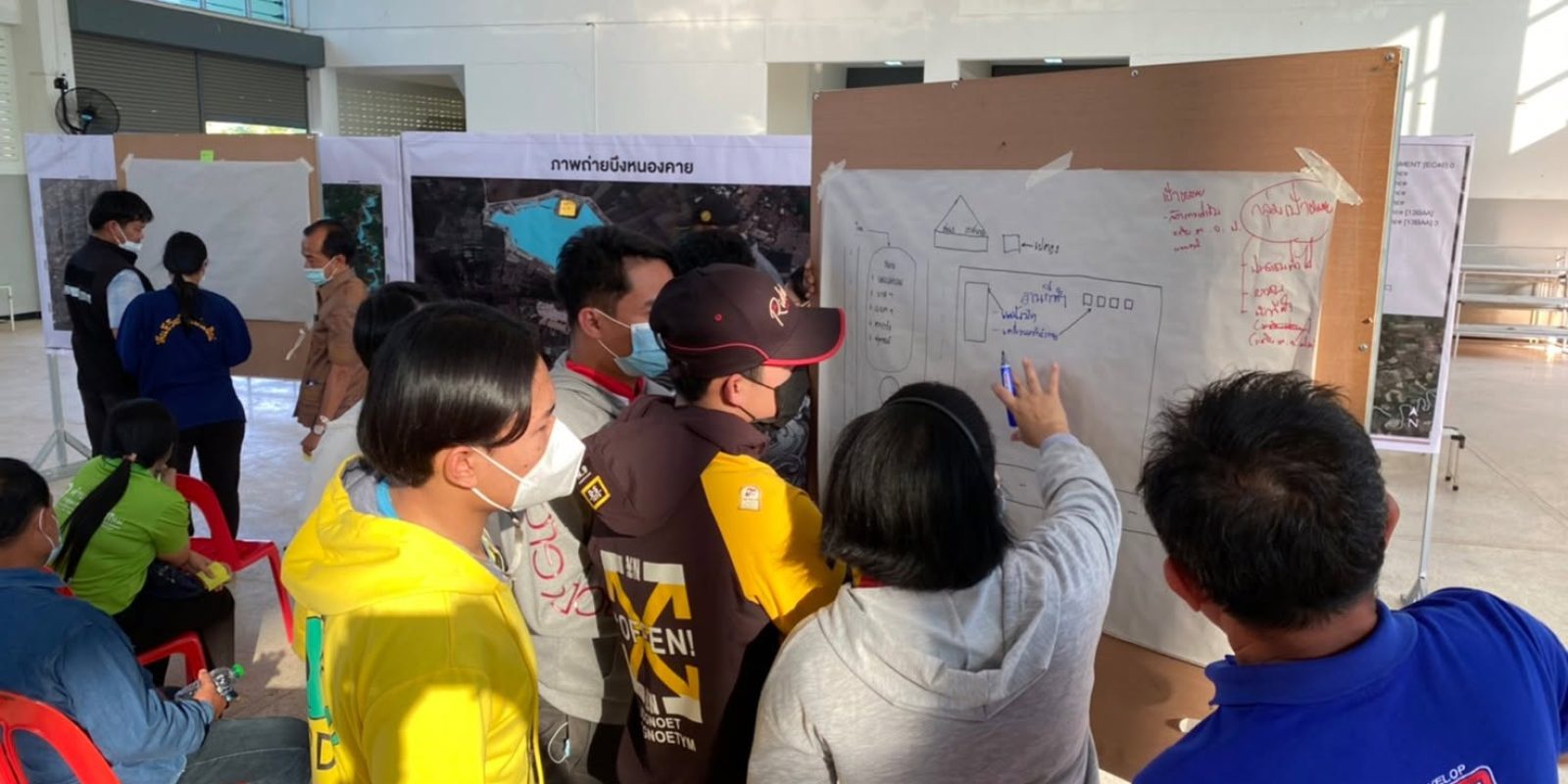
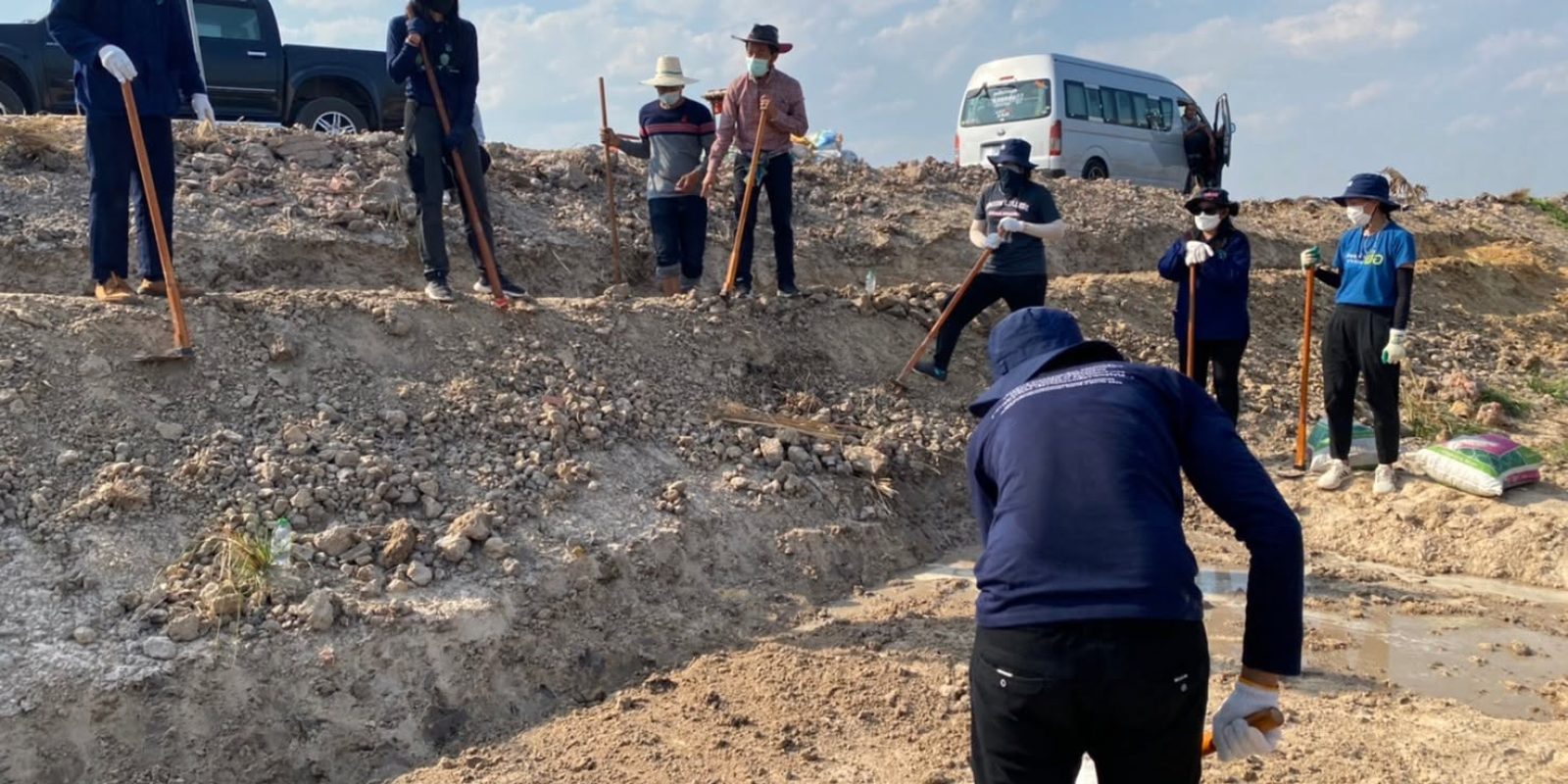
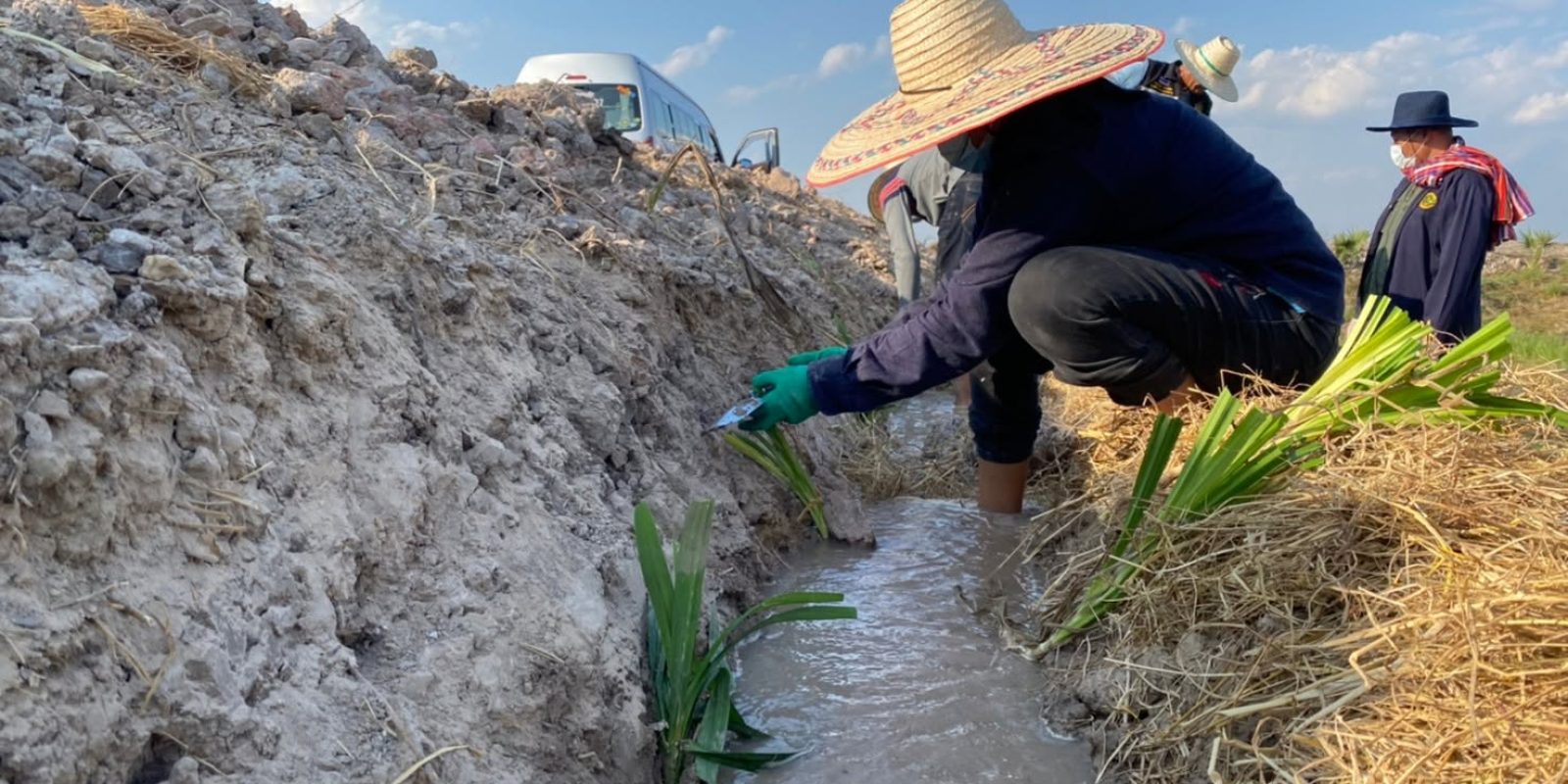
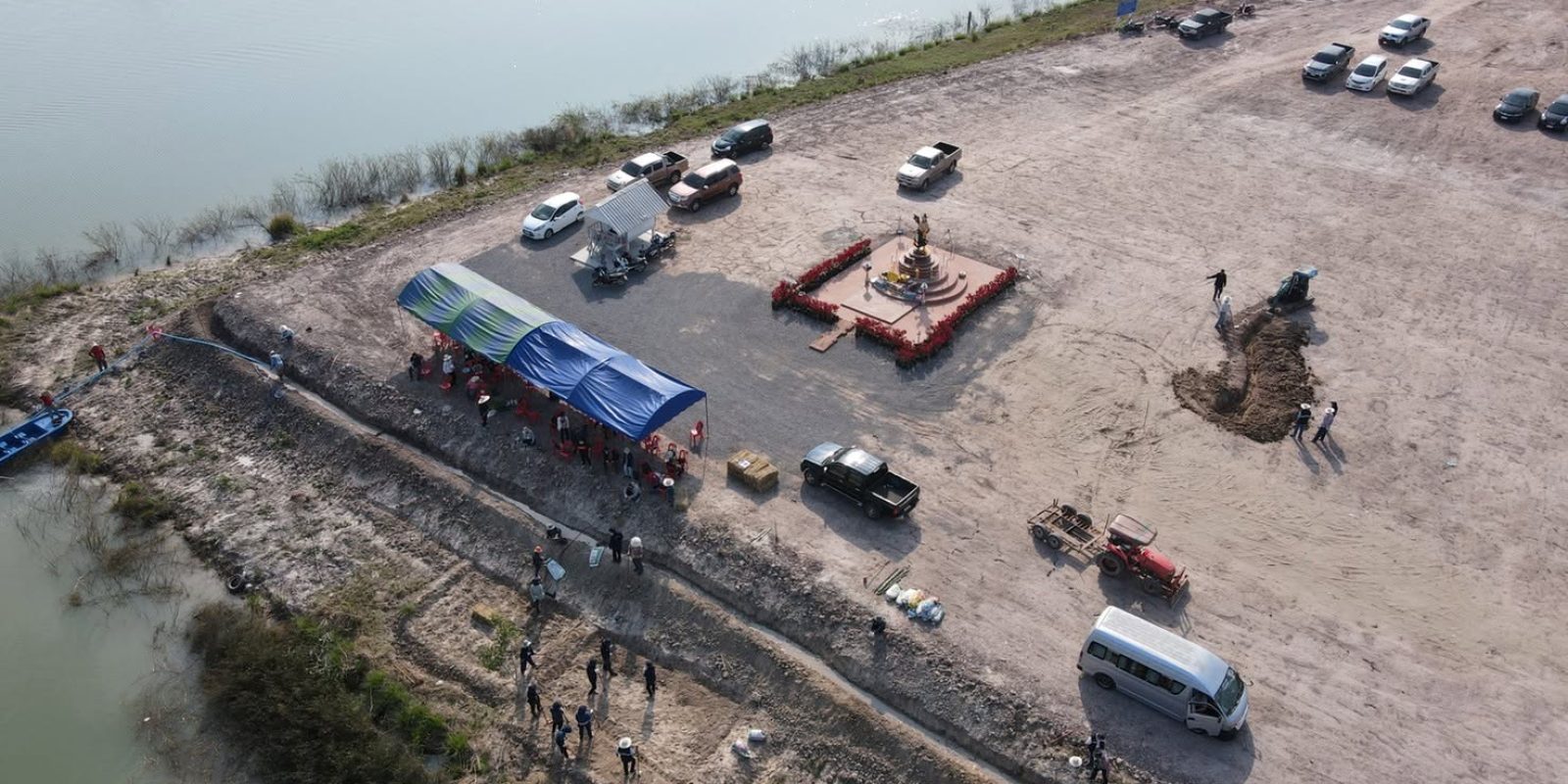
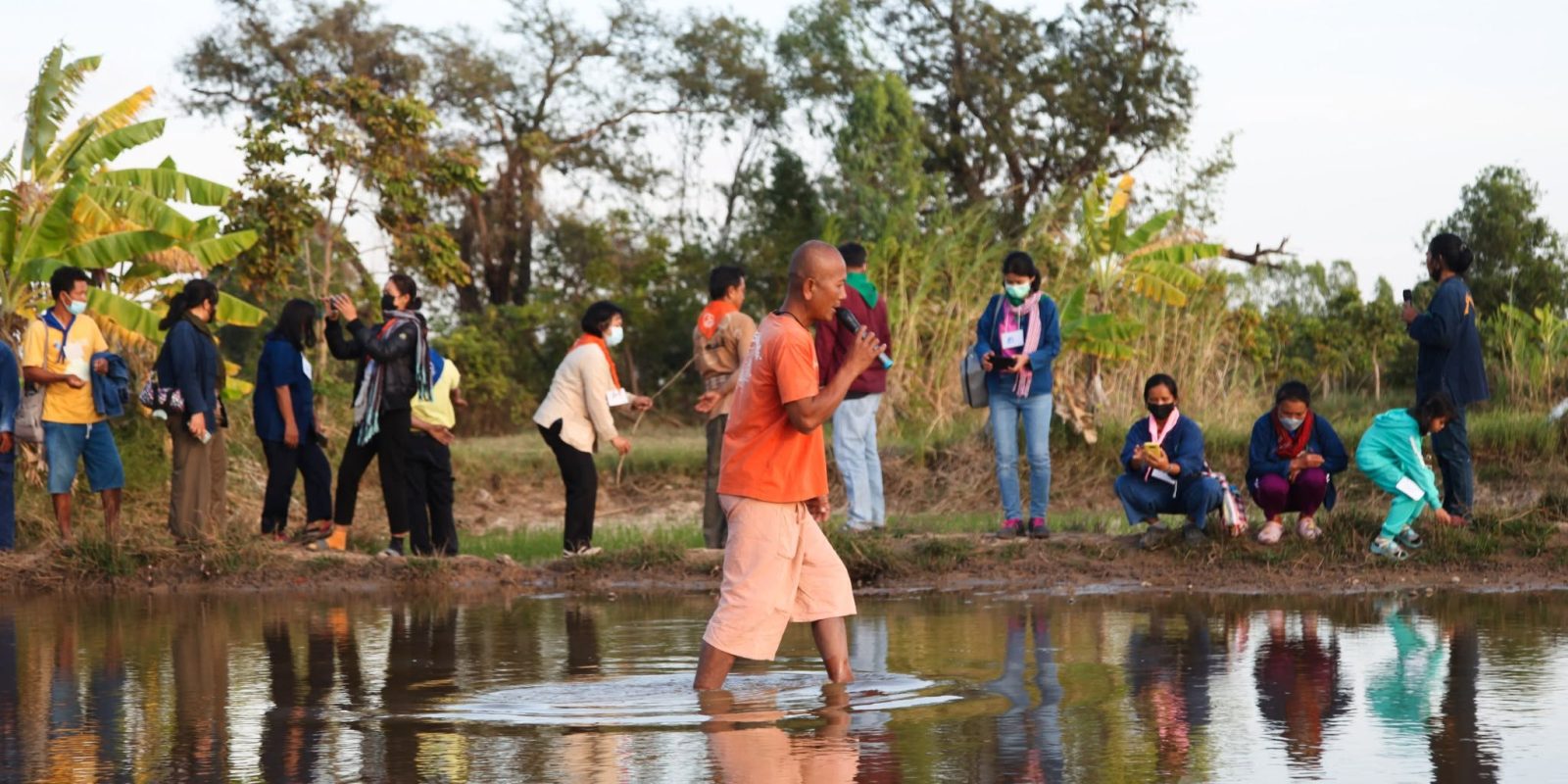
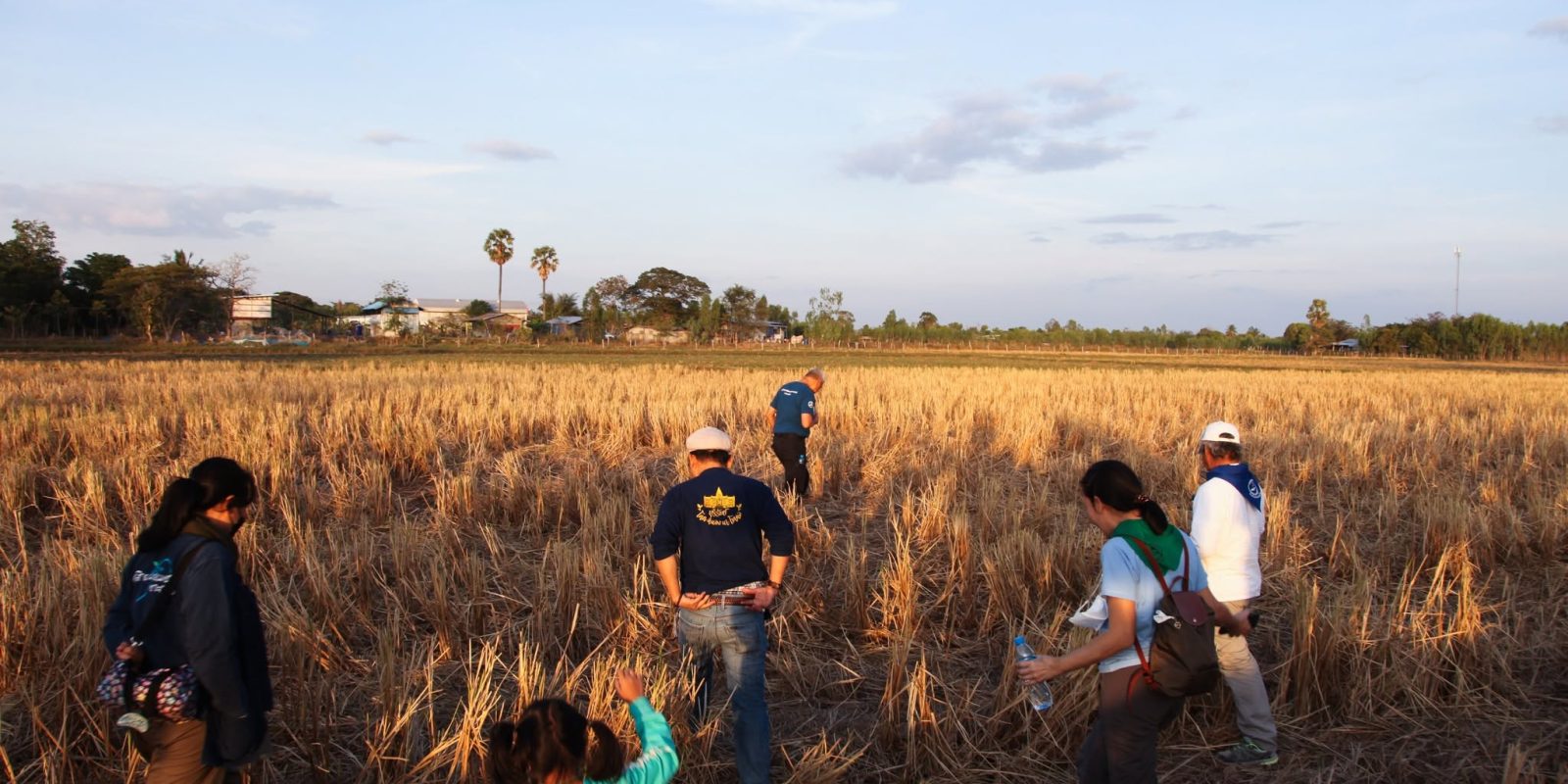
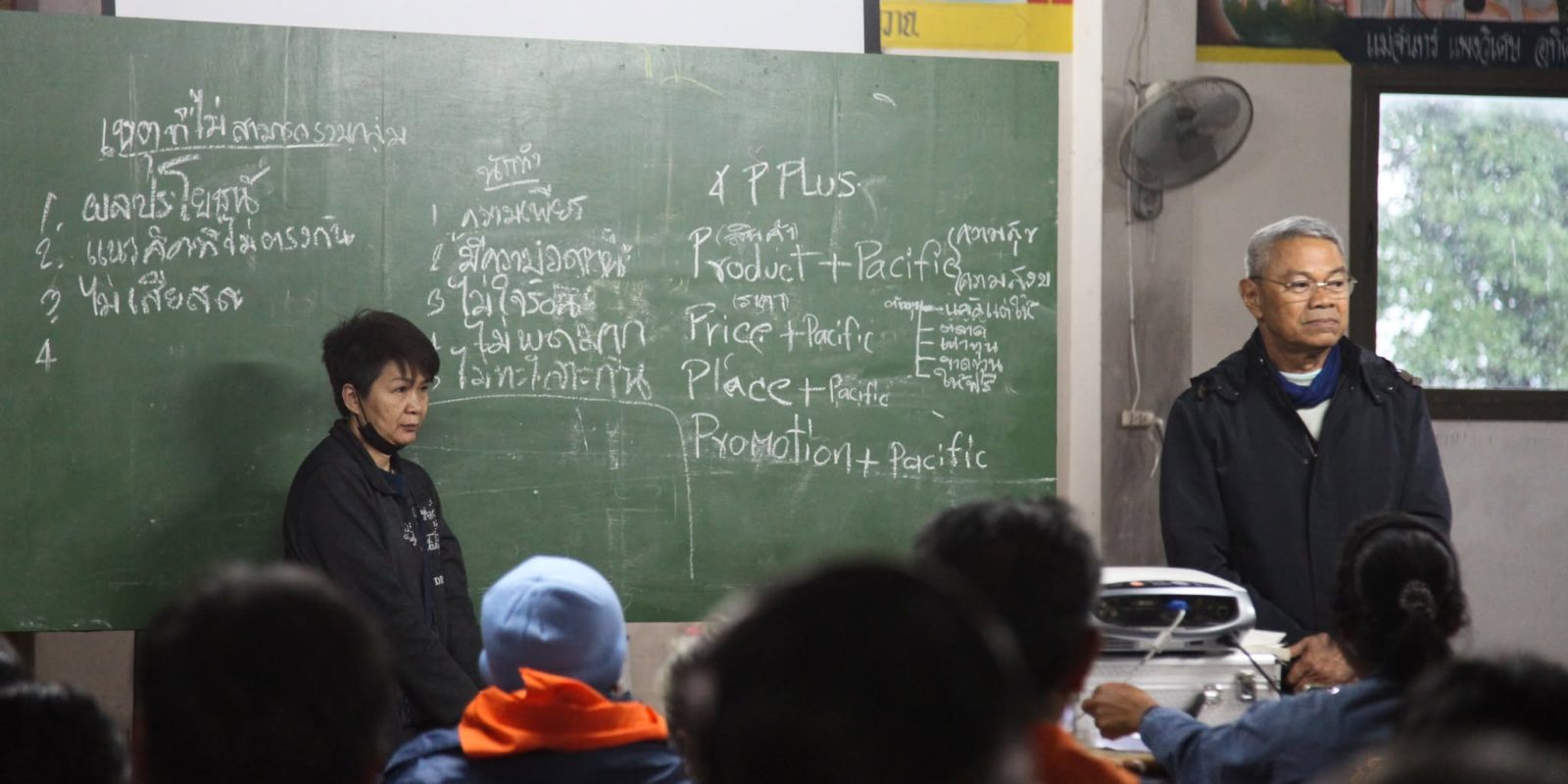
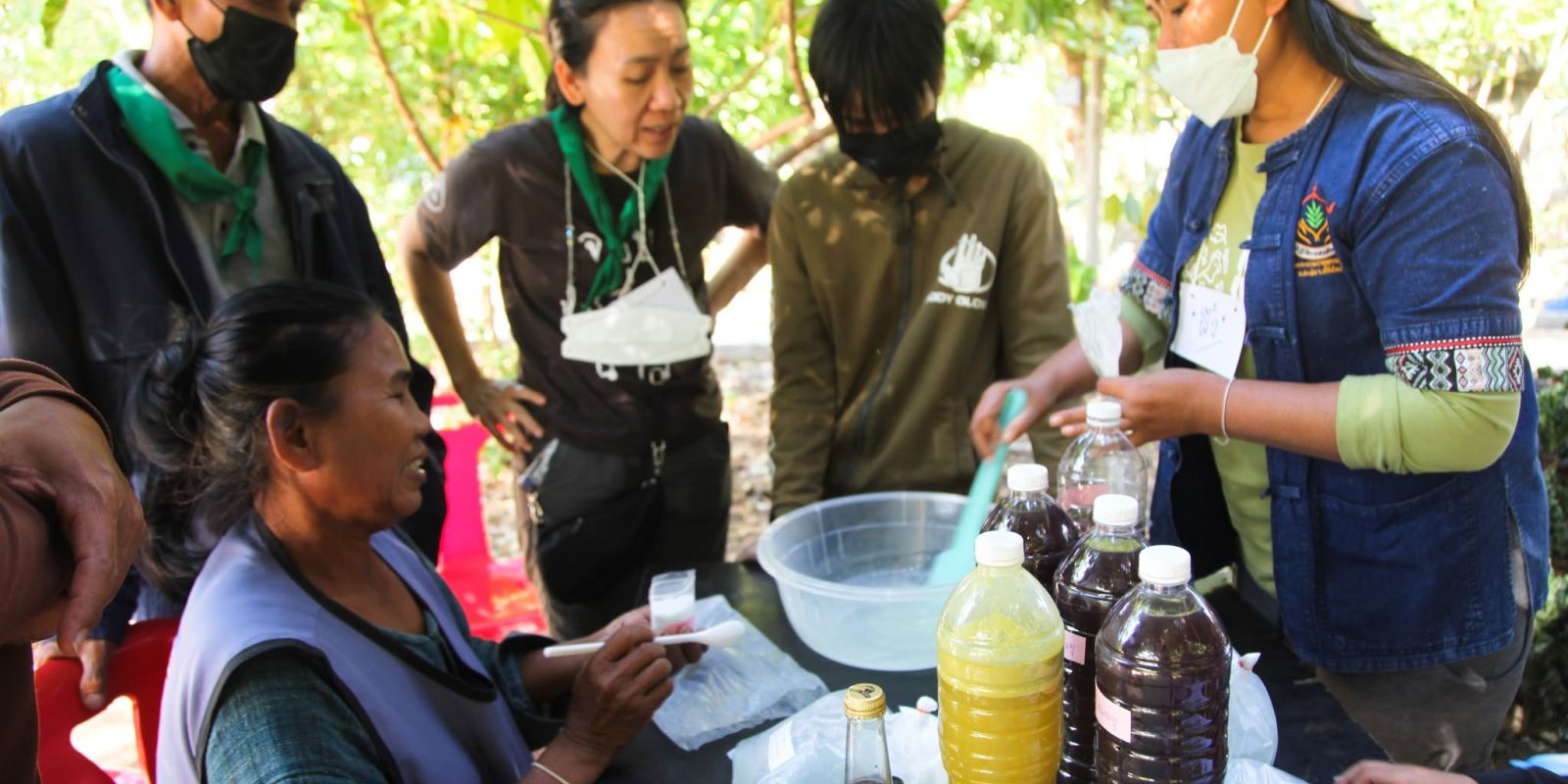
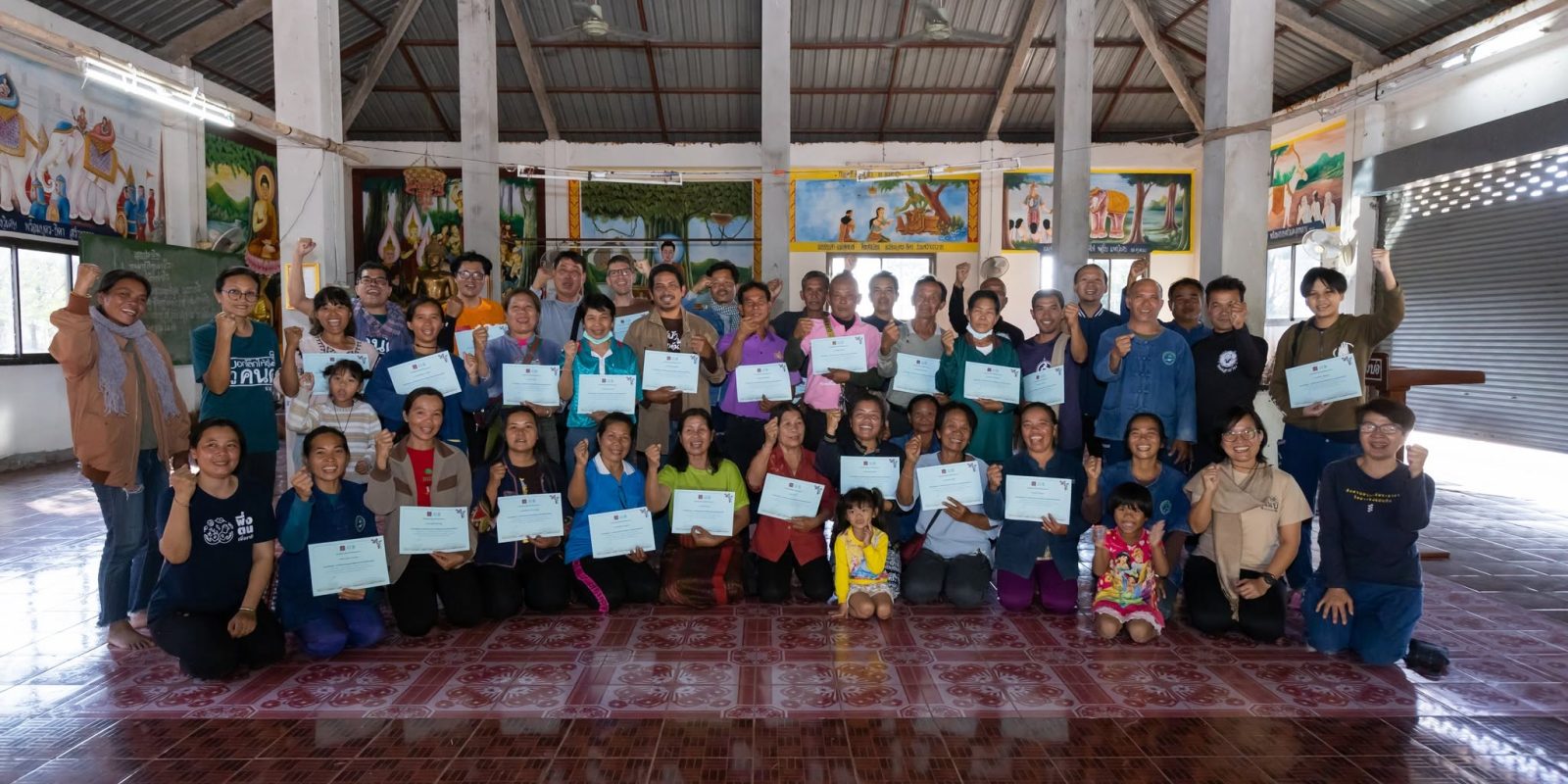
This research project, titled “Reinvent and transform from an educational institute into a social engagement institution with research and innovation practices to proactively respond to the challenges of the country.” employed a participatory action research (PAR) methodology to engage with three key societal challenges: (1) municipal water management in Nong Khai and Udon Thani provinces, (2) saline soil rehabilitation in the Thung Kula Ronghai area (Maha Sarakham and Roi Et provinces), and (3) support for an aging society in the Pak Nam Prasae community (Rayong province). A total of 94 activities were conducted, involving 2,539 participants from diverse sectors including youth, university students, community members, local authorities, academics, and external partners. In addition, eight hybrid learning sessions delivered via a digital platform reached more than 14,553 participants, and the platform was also effectively applied during an earthquake to disseminate real-time, accurate information through a network of higher education institutions. The project led to the development of a comprehensive transformation mechanism, grounded in an open management structure that facilitates systematic collaboration among stakeholders, driven by four institutional pillars: research and academic services addressing national issues, practice-based academic innovation, international network building, and strategic domestic collaboration. Four core social innovations were developed: the Contemplative Arts Process for Community Mobilization (CAP-CM), the Community Classroom Mechanism (CCM), the Six Milestones of Dynamic Network Mobilization (6M-DNM), and the X-ON digital platform-
a hybrid learning model with seven integrated curricula to cultivate community-based social entrepreneurs. These innovations demonstrated high transferability and policy scalability for broader application in other regions and the further transformation of higher education institutions.